All aboard the Siemens SD660!
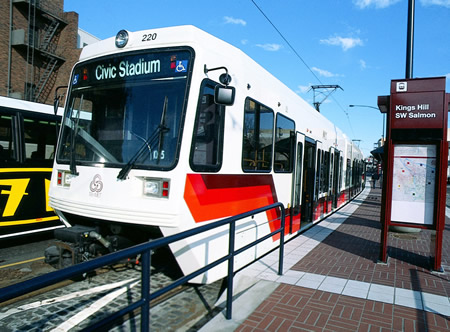
History:
In 1993, Tri-Met sought a
manufacturer for America's first low-floor Light Rail Vehicle (LRV). Originally designed
by LTK Engineering, this LRV was made to be an upgrade alongside the existing MAX Type 1
high-floor fleet made by Bombardier Mass Transit Division.
The Bombardier high-floor LRVs:
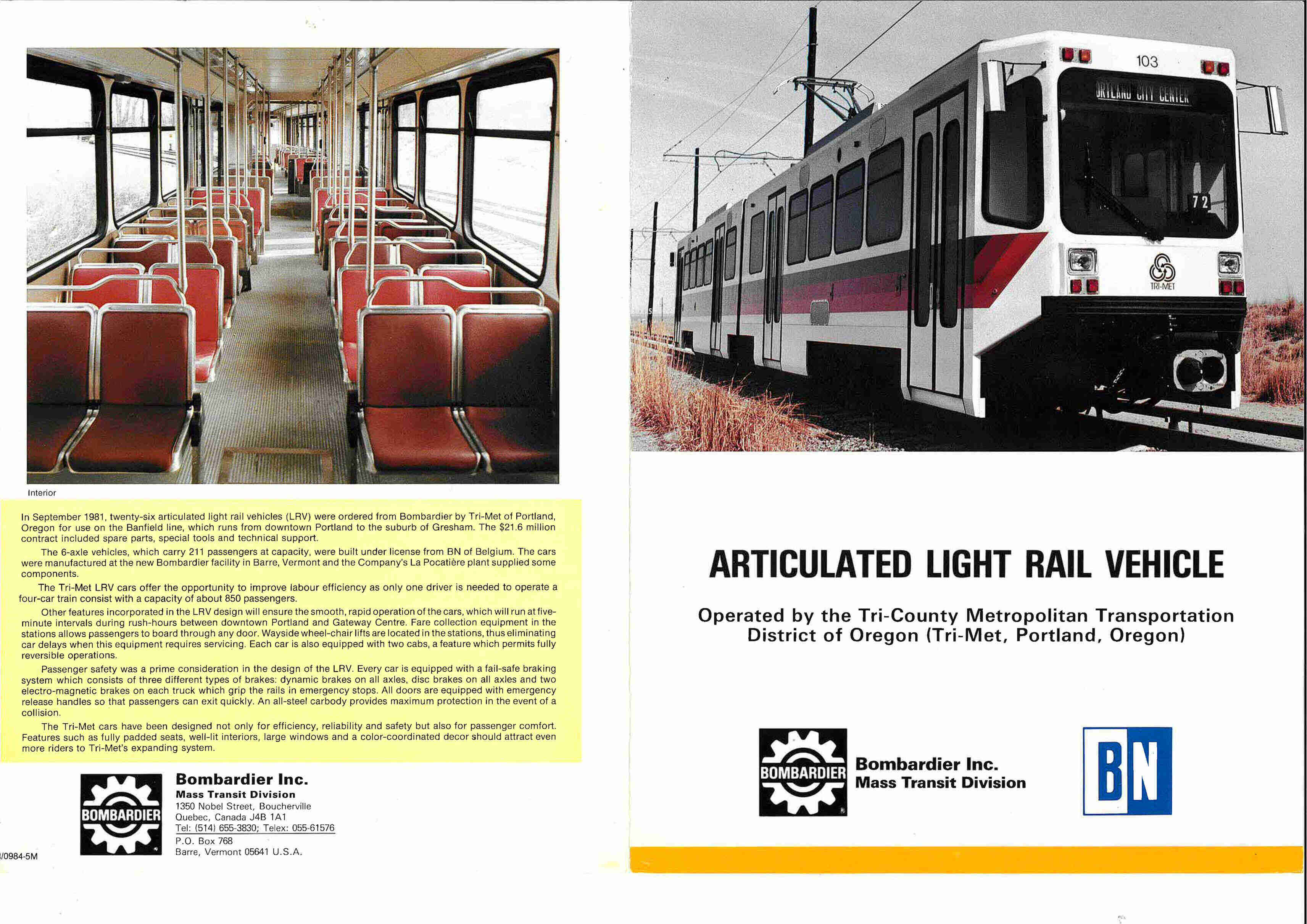
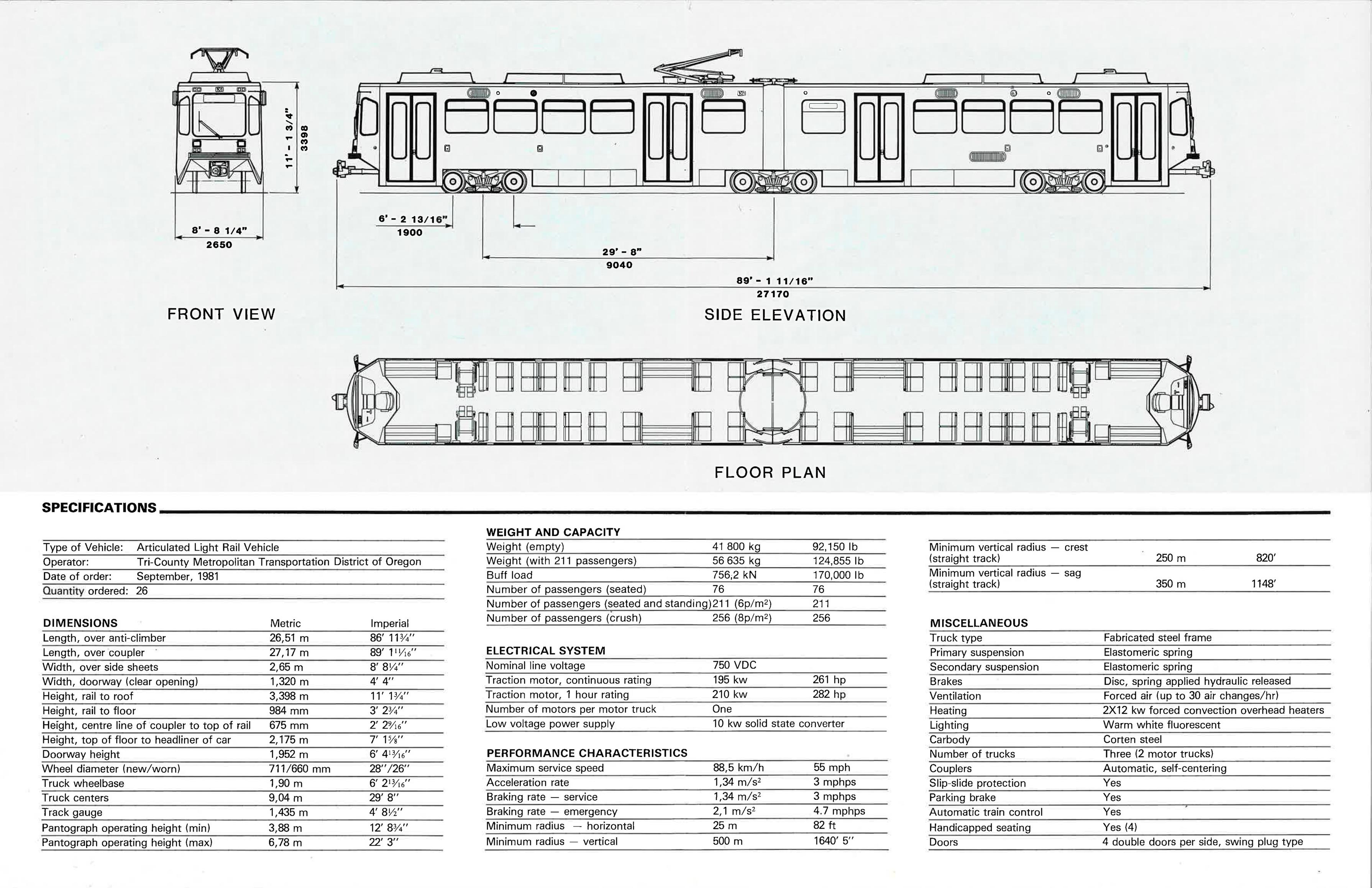
Click here for more info about the MAX Type 1 LRVs
In the early years
The MAX Type 2
was originally designed in 1993 by LTK Engineering in Portland, Oregon, designed to be a
low-floor ADA compliant LRV with new passenger technology such as destination display
signs, automated passenger announcements, baseboard heating, pressurized air conditioning,
and motorized bridgeplate ramps for accessibility. Tri-Met also needed it to be fully
backwards-compatible with the older MAX Type 1 fleet from 1986 so the cars could be
coupled and used in service with both cars handling propulsion. To accomplish
compatibility, LTK and Tri-Met decided to use DC propulsion systems, similar to what was
already being used on the MAX Type 1 cars. This idea did not actually end up sticking;
more info on that later. During that time, some teaser/prototype photos were teased on
Tri-Met's media, such as the 25th anniversary book, of which I actually own! Check this
out!
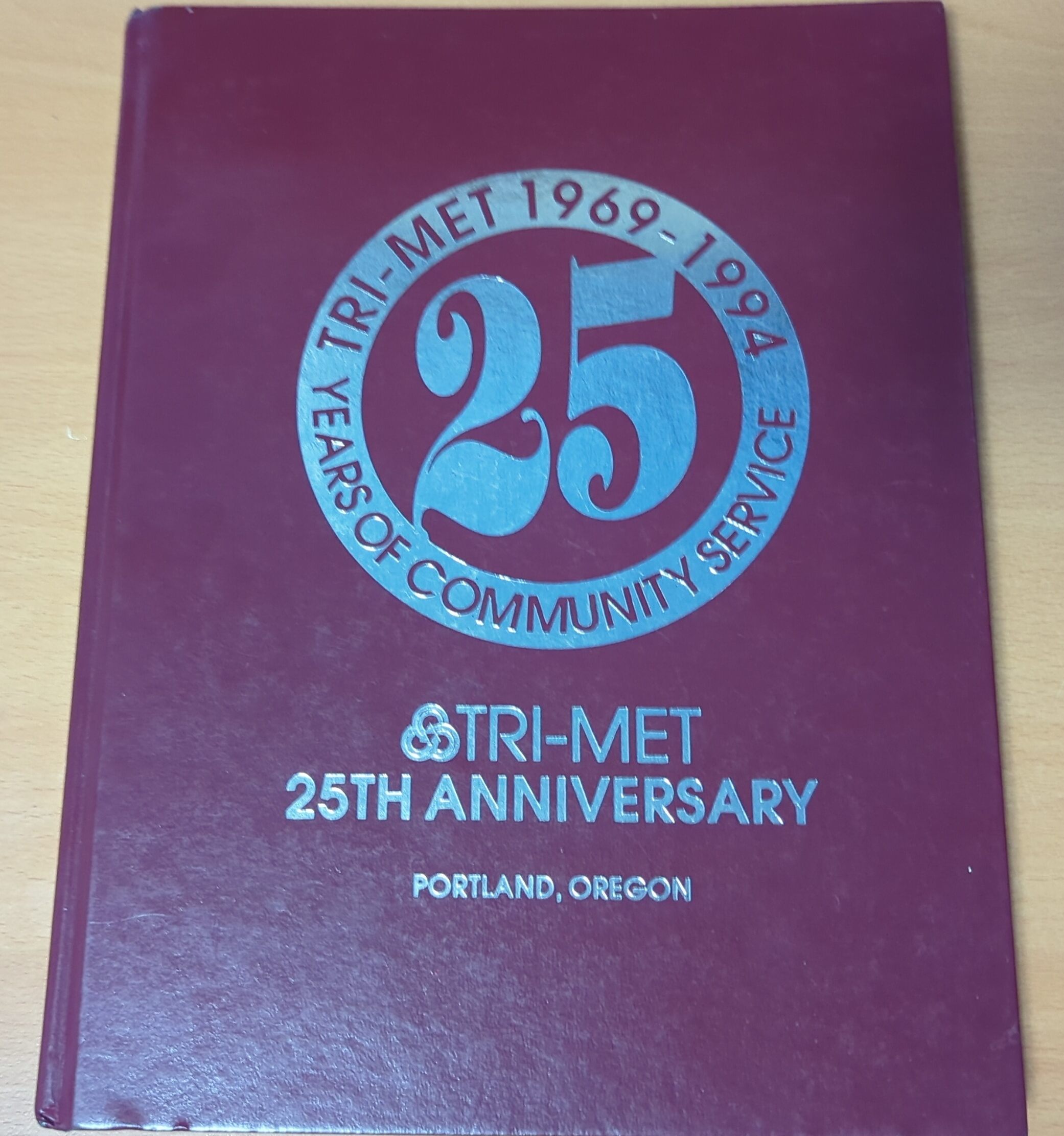
Cover of TRI-MET 1994 25th Anniversary book.
On the first page,
LTK has an acknowledgement displaying the Type 2 prototype.
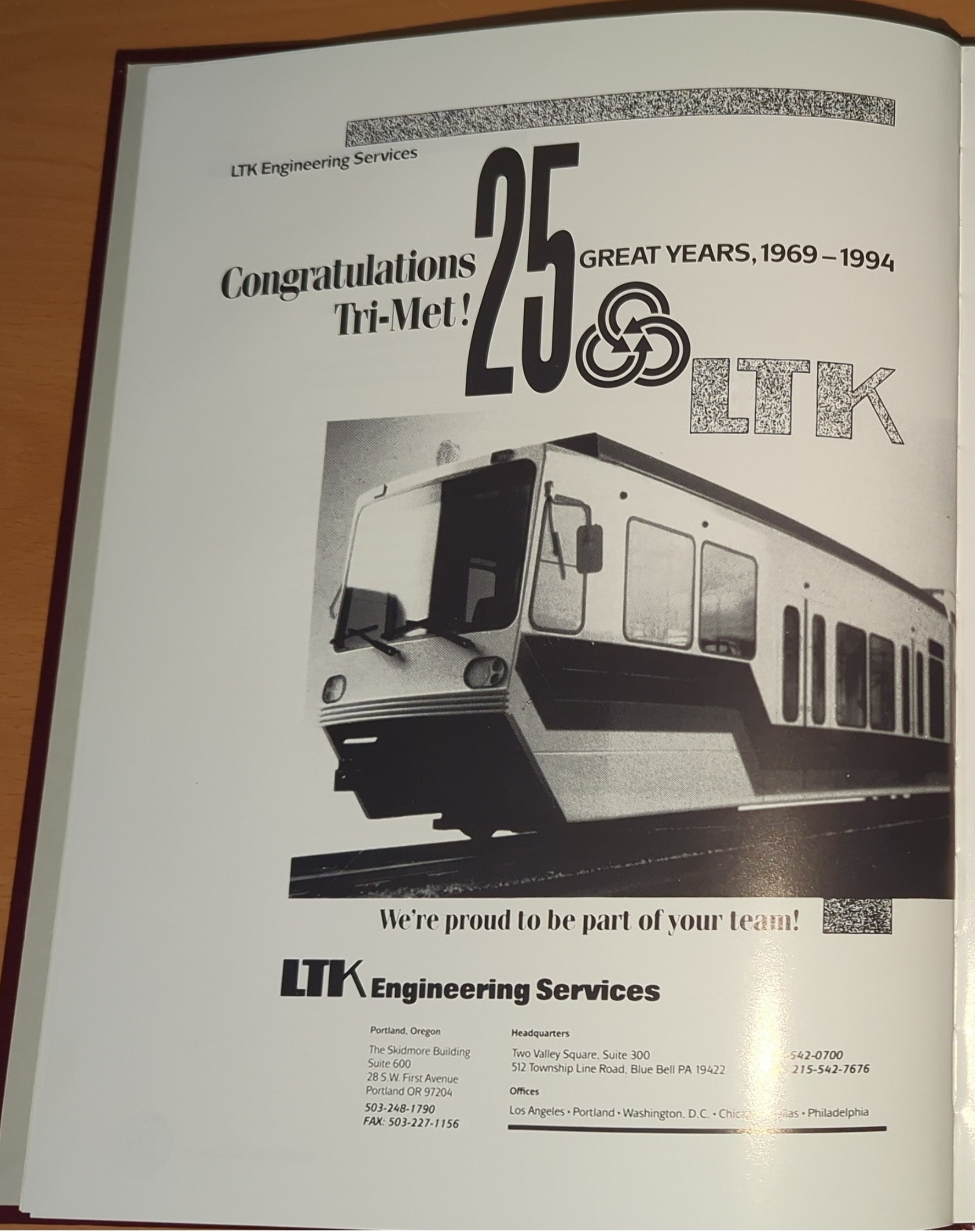
LTK acknowledgement
Later on in the
book, there is a Siemens acknowledgement showing another angle of the prototype; this
prototype was deemed the Siemens Duewag SD600.
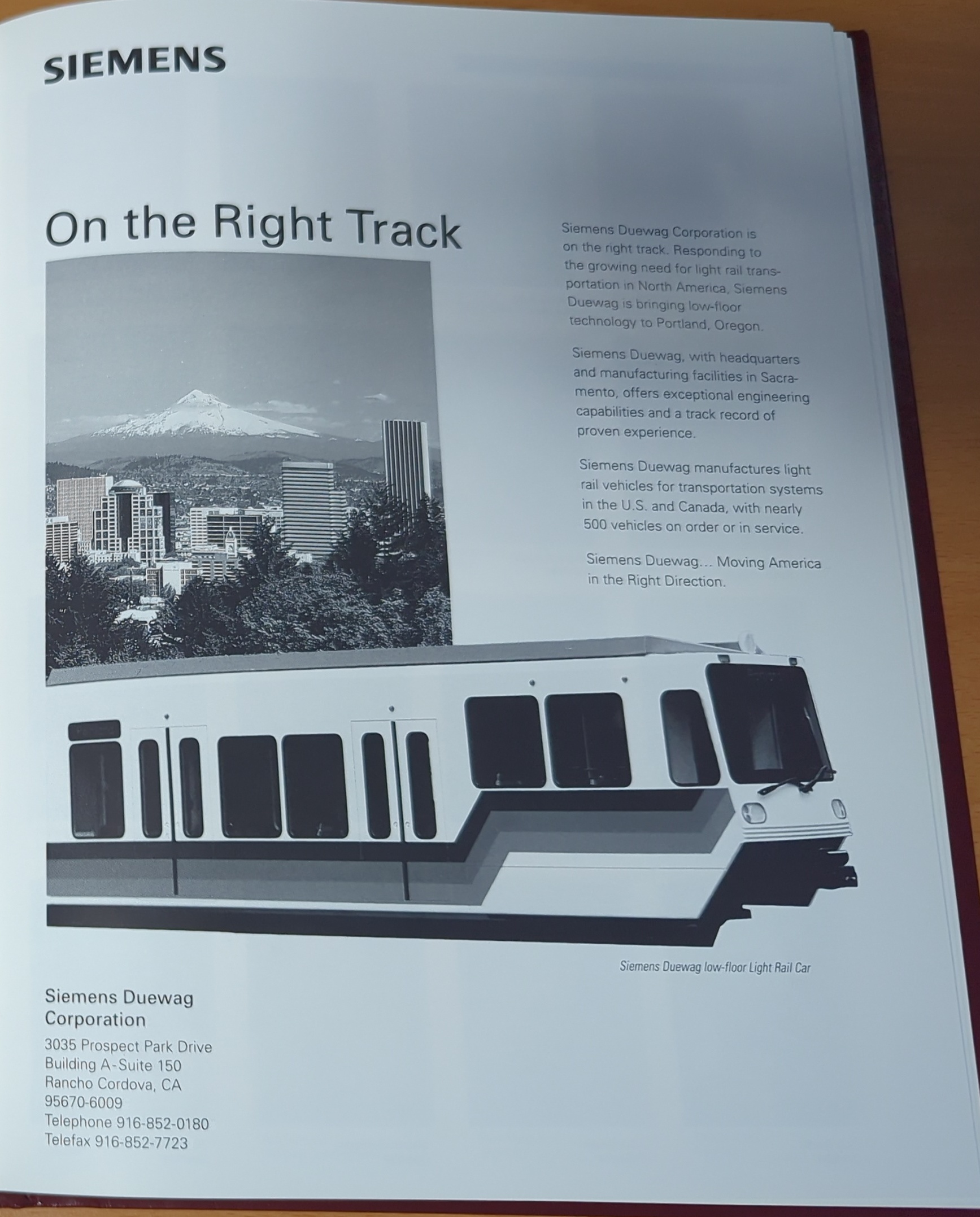
Siemens Duewag acknowledgement
The
big Pickup:
In mid 1993,
Siemens Mass-Transit Division of North America picked up the design from LTK/ Tri-Met and
began working on refining parts of the design, both in the technology and in the physical
design. Tri-Met was working directly with the general manager and vice-president of the
Siemens Mass Transit Division, Gunter Ernst, who at the time impressed Tri-Met with his
qualifications, deep understanding and unparalleled commitment to the design and
production of America's first low-floor Light Rail Vehicle. The initial order was placed
in May 1993 with a quantity of 39 cars; later, in 1995, the order was expanded by an
additional 7 cars to compensate for the new MAX Westside Expansion project. In 1996, the
final design was finished and was heavily modified in the technical aspect and
subsequently was re-classed to the Siemens SD660. This re-class was mainly because the
propulsion equipment was changed; instead, the SD660s were equipped with Siemens IGBT-VVVF
PWM based traction systems, more in-depth technical information on this system later.
While the propulsion systems are very different from each other, they maintained
compatibility electrically by syncing the Motor and Drum handle position (the handle that
sets the train in propulsion/braking modes) electrically through the coupler. The final
design also changed some parts of the physical appearance and changed the position of
things for some quality of life.
SD600
exterior schematic:
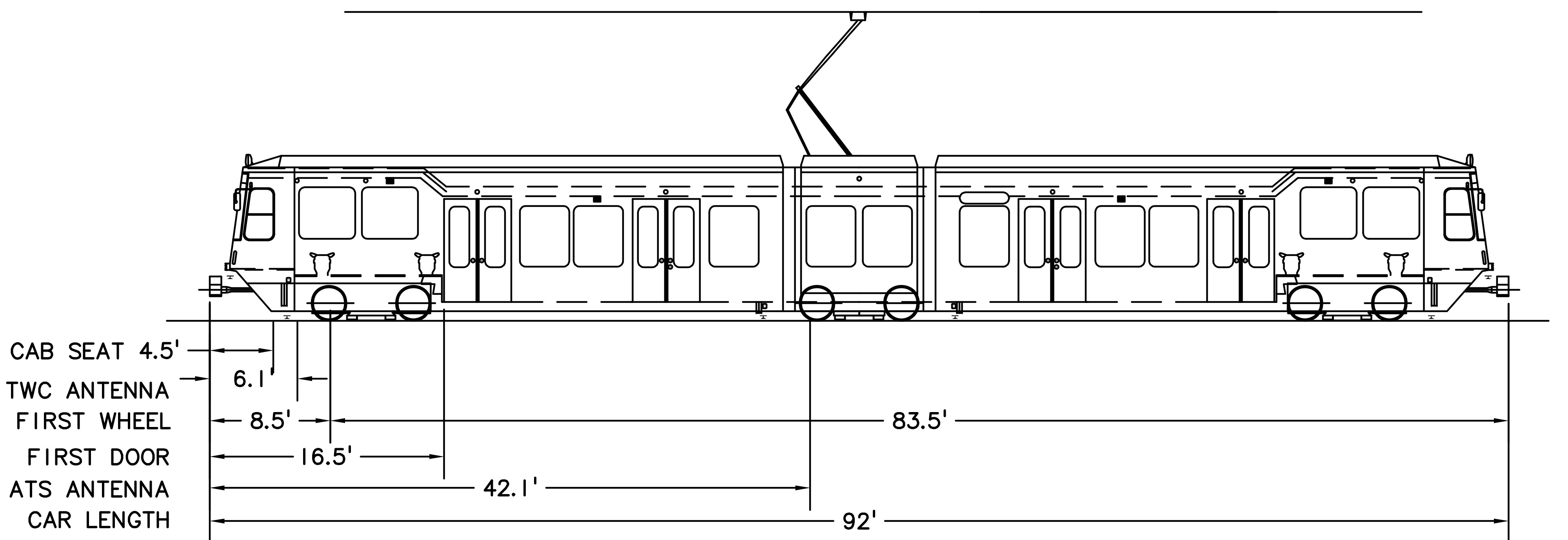
SD660 exterior
schematic/drawing (measurements are the same):

The 2nd window in the middle section (C) was removed.
The destination sign on the side was moved from the right of the center (C) section to be
in the center section (C) window.
The door window length on all doors was extended slightly.
Exterior door button positions were changed.
The top trim is not angled down in the front ends of the LRV.
1996 is also
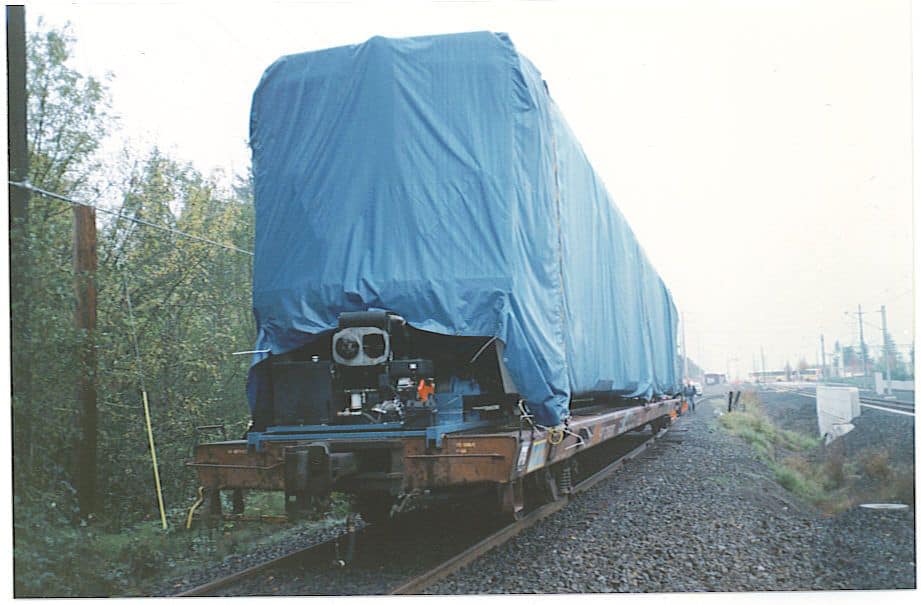
the year that manufacturing started to take place; here's a photo of an SD660 Chassis on
its way to the Siemens manufacturing plant in Sacramento California by freight!
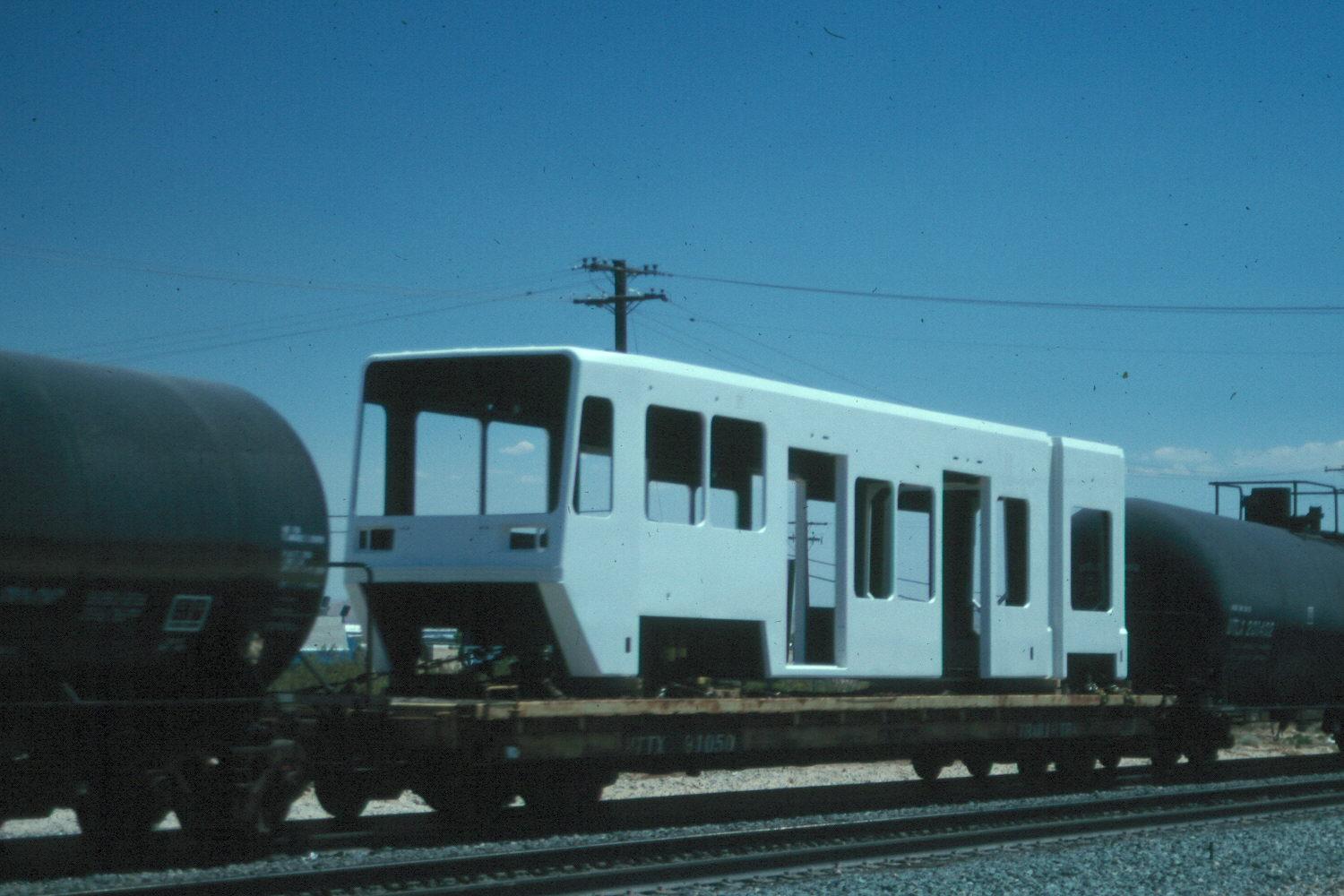
Siemens SD660 chassis spotted on a freight train in Mojave CA, on its
way to Siemens-
to be assembled.
1997, The Delivery:
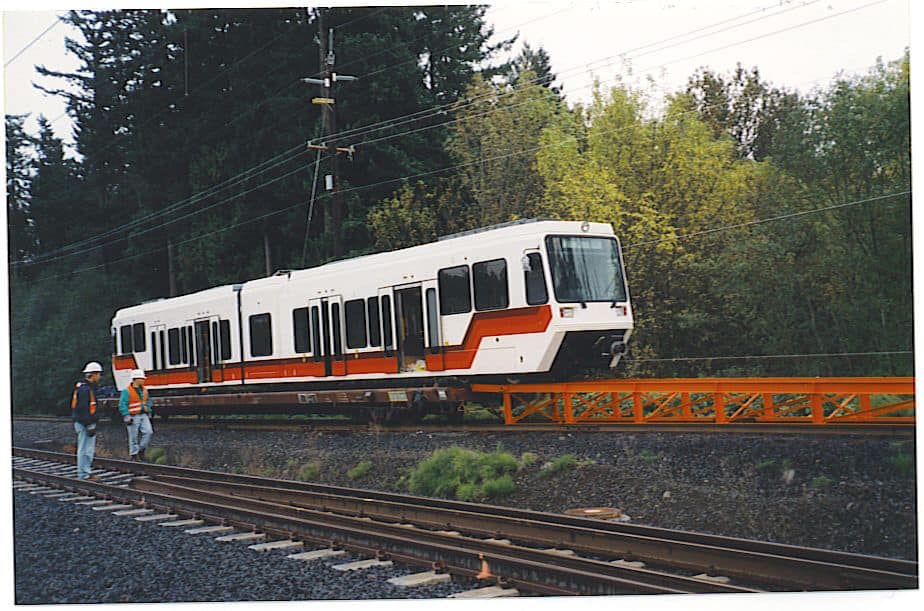
On March 17th 1997,
The first SD660 (Car 205) was delivered to Tri-Met. On that very same day, by proclamation
of Tri-Met's General Manager at the time, Tom Walsh, and in honor of Gunter's vision of
the project, Car 205 was named the Gunter Ernst car.
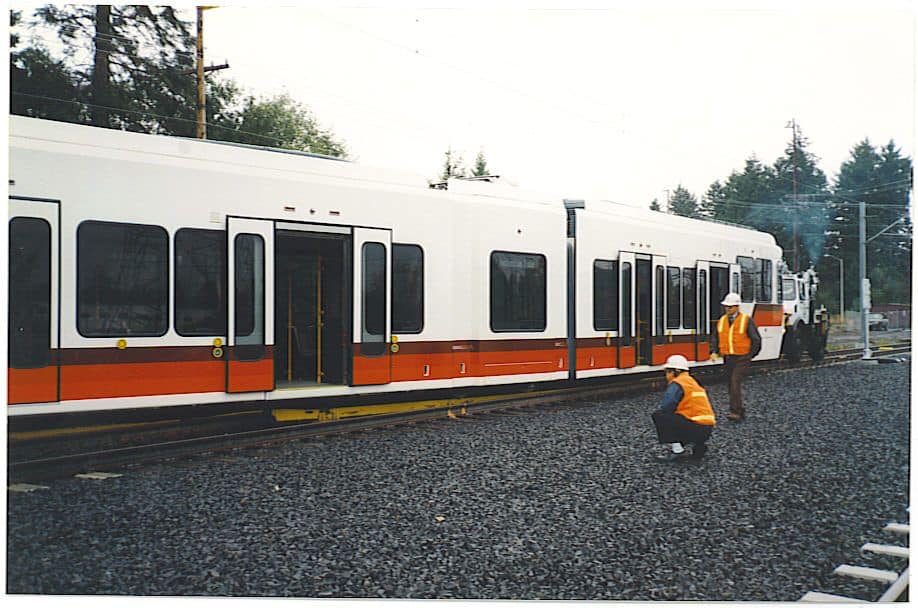
Note: The
delivery was taken at the Merlo Rd/SW158th Ave heavy rail connection. This connection was
used to take delivery of most of the Type 2 and 3 cars. The connection was removed in
2009.
Type
2s in the early years: |